TikTok Video Presenting Women as Objects for Men's Sexual Use
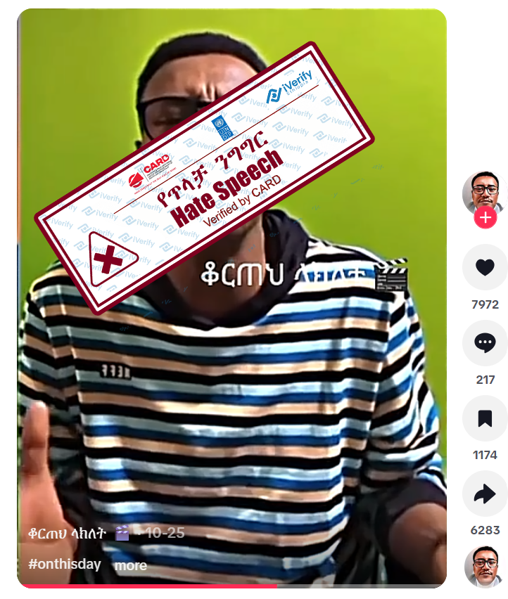
This report looks at one TikTok video, reposted on October 24, 2026, that contains gender-based hate speech. The same recording first appeared on TikTok in September 2024. Online hate speech against women is a well-documented problem in Ethiopia. Below we describe what the speaker says, how viewers reacted, and how the video measures up against TikTok's rules and Ethiopian law.
On October 24, 2026, the TikTok account ቆርጠህ ላክለት, which has 725.3K followers, posted a video of Motta Keraniyo speaking in Amharic. When we reviewed it, it had 113.5K views. The thumbnail carries the account's catchphrase, ቆርጠህ ላክለት ላክለት ነው ወይስ ላክላት?, which means "cut it and send it to her." In the video, Motta tells women they were made for men's enjoyment and sexual use. He describes sexual acts on women's bodies, calls women a "gift" created to entertain men, and says men should smack women's buttocks.

Image 1: Video of Motta Keraniyo stating that women were created for men's sexual enjoyment.
The video had 217 comments when we reviewed it. Several of the ones we read agreed with the speaker, and the screenshot below shows five of them. Typical replies said, in Amharic, "tell them," "it is true" (እውነት ነው) and "it is a bitter truth" (መራራ ሀቅ ነው). The agreement is part of the story. It suggests that some viewers accepted the message, which helps make the idea that women are subordinate, even property, seem normal.
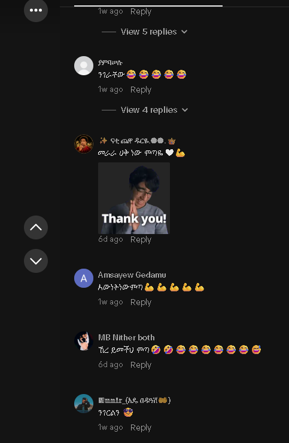
Image 2: Screenshot of highlighted comments of the video as the technology-facilitated gender-based hate speech on TikTok
Verification, the history of the video
The October 24 post is a repost. The same recording was first published in September 2024 by another TikTok account, which is the earliest copy we found. It was posted again on Instagram on December 23, 2025. All three posts were still online when we reviewed them. This shows that Motta Keraniyo made these statements no later than September 2024. The account that posted the October 2026 version mostly shares short clips cut from Motta's livestreams, along with recordings from the Motta Official account.
Conclusion
Research finds that language models are less effective at detecting hate speech in Ethiopian languages, which may let such content stay online longer (Ibrahim, Mulford and Batista-Navarro, 2025). We recommend that TikTok review the video, that monitoring teams archive it and check back after two weeks, and that the public report it rather than share it.